
Speaker Profiles
Jump to a Speaker Bio:
Yemi Akinbamijo | Amadou Allahoury | David Ameyaw | King-David Amoah | Jesús Antón | Debisi Araba | Kenneth Ayuko | Ayalneh Bogale | Razac Boukary | Jill Cairns | Bruce Campbell | Tinashe Chavhunduka | Daniel Clarke | Mamadou Diakhité | Nicolas Guigas | Jerry Hjelle | Peter Ithondeka | Raphael Karuaihe | Fatima Kassam | Wadzanai Katsande | James Kinyangi | Bright Kumwembe | Gabriel Levanon | Andries Mahlase | Gerald Mahinda | Shadreck Mapfumo | Kola Masha | Ramesh Moochikal D. | Elijah Mukhala | Telesphore Ndabamenye | Delali Kofi Nutsukpo | Bode Opadokun | Marc Sadler | Mariam Soumare | Langelihle Simela | Julian Smith | Christina Ulardic | Tjeerd de Vries | George Wamukoya | Hardi Wilkins | Arne Witt |
Yemi Akinbamijo, Executive Director, Forum for Agricultural Research in Africa (FARA)
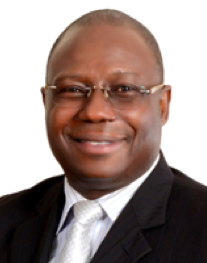 Dr. Yemi Akinbamijo, a Nigerian national, is the Executive Director of FARA, a position he has held since July 2013. He has spent three decades working in Africa and Europe in the domains of international agriculture, food and nutrition security and rural development. Before moving to FARA, Dr. Akinbamijo held several senior positions at the African Union Commission, Department for Rural Economy and Agriculture where he served as the as Chief Animal Resource Officer based at the Inter‐African Bureau for Animal Resources and then as the Director of the Inter‐African Phytosanitary Council based in Yaoundé, Cameroon, before taking on the position of Head of the Agriculture and Food Security Division in 2009. As the Head of this Division, Dr. Akinbamijo was in the frontline of the implementation of the Comprehensive African Agricultural Development Programme (CAADP) now operating in about 40 African Union Member States. 
Dr. Akinbamijo holds a PhD in Agriculture and Environmental Sciences with specialization in tropical animal production from Wageningen University Research Centre in the Netherlands. As the Executive Director of FARA, Dr. Akinbamijo is a thought leader on agricultural research for development in Africa. He sits on numerous technical committees and governance bodies concerned with advancing science and innovation in African agriculture.
Amadou Allahoury, High Commissioner for the 3N Initiative, Niger President's Office, Republic of Niger
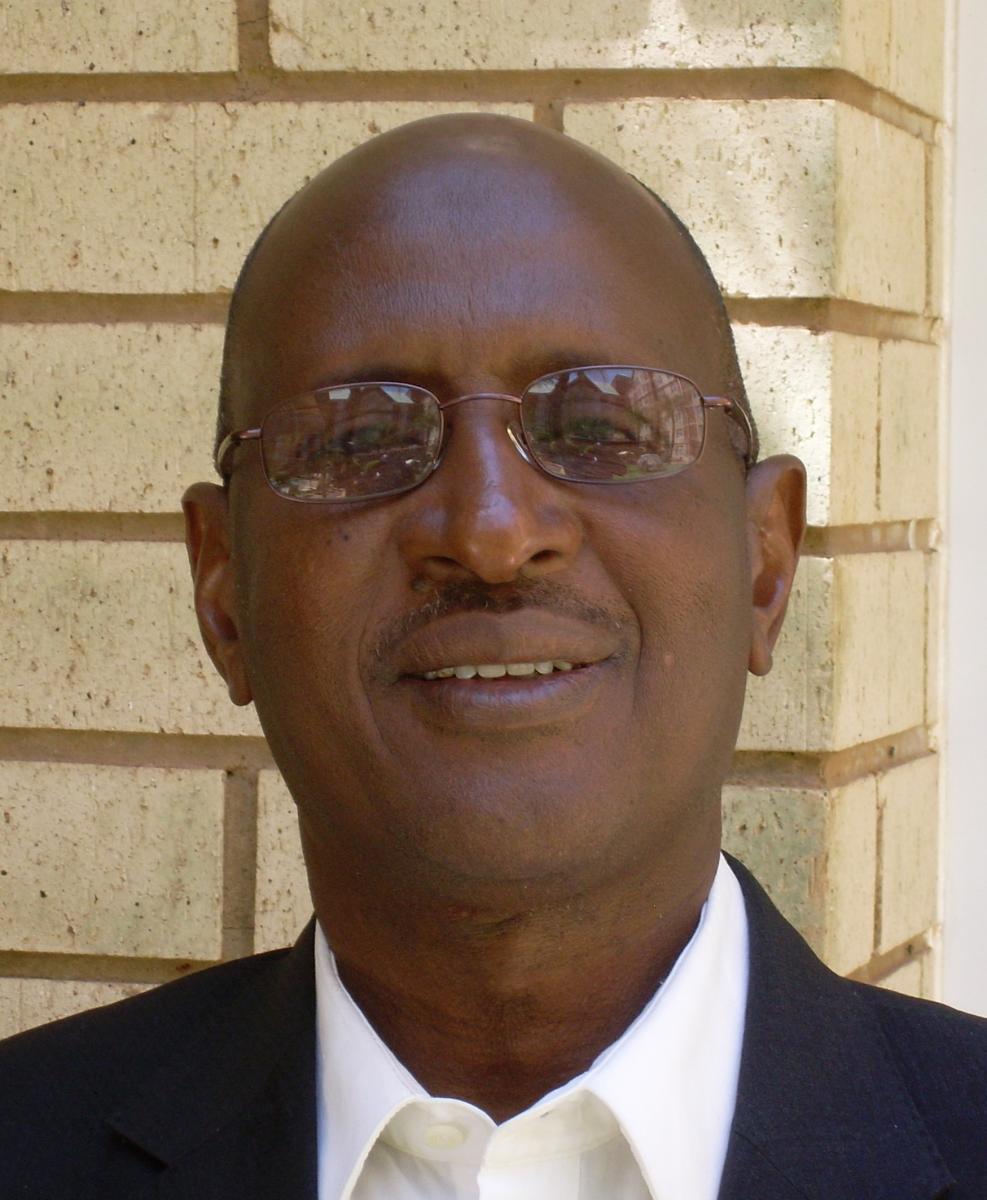 Amadou Allahoury is High Commissioner (Minister) of the 3N Initiative “Nigeriens feeding Nigeriens” at the Niger President's Office for Food Security and Agricultural Development. As High Commissioner, M. Allahoury reports directly to the President of Niger, Mahamadou Issoufou. Earlier in his career, M. Allahour spent 15 years working at the national level as a rural development projects manager, then moved to the regional level to work on food security and agricultural water management issues at the Inter State Committee against Drought in Sahel (CILSS) in Ouagadougou, the New Economic Partnership for Africa's Development (NEPAD) in Johannesburg, and the regional office of the FAO in Accra. At the global level, M. Allahoury has been appointed for two years by the Committee on World Food Security (CFS) as a member of the steering committee of High Level Panel of Experts (HLPE) for food security and nutrition. He has also been involved as a peer reviewer of the World Bank Agricultural Water Investment Sourcebook and in the evaluation of FAO's role and work related to water.
David Ameyaw, Director of Strategy, Monitoring, and Evaluation, Alliance for a Green revolution in Africa (AGRA)
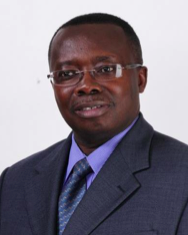 Dr. David Sarfo Ameyaw is currently the Director for Strategy, Monitoring, and Evaluation in The Alliance for a Green Revolution in Africa (AGRA) based in Nairobi, Kenya. He is the Managing Editor for the Africa Agriculture Status reports series. Dr. Ameyaw has served as the Senior Director for Monitoring and Evaluation at the Millennium Challenge Corporation (MCC), Washington DC, and also as the Director for Monitoring and Evaluation, and Acting Director and Food Security Specialist for Adventist Development and Relief Agency (ADRA) in Silver Springs, Maryland. Dr. Ameyaw has over 25 years of experience in international development in Africa, Europe, Asia, the Caribbean, and South America. He has travelled and worked in over 95 countries around the world. He has published and contributed to development journals and publications and also developed training materials for development professionals.
Dr. Ameyaw completed his DMin, M.Div, and BA in Andrews University, Berrien Springs, Michigan, and Diploma in Business Studies (DBS) in Takoradi Polytechnic in Ghana. He is a certified Project Management Professional.
King-David Amoah, President of Farmers Organization Network, Ghana, and of the Ghana Federation of Agricultural Producers (GFAP)
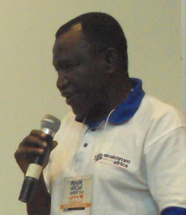 Dr. King-David Kwao Amoah is the President of a National Apex Farmers Network called Farmers Organisation Network in Ghana. It is a network of smallholder farmers in the Ten Regions of Ghana. It has a membership of about 500,000 members, of which 40% are women.
King-David is also the President of an Umbrella Association of four main national Apex Farmers Organisations in Ghana called the Ghana Federation of Agricultural Producers (GFAP). The foundation members comprise of the Ghana National Association of Farmers and Fisherfolks (GNAFF), the Peasant Farmers Association of Ghana (PFAG), the Apex Farmers Organisation of Ghana (ApFOG), and the Farmers Organisation Network of Ghana (FONG).
King-David Amoah has been involved in building smallholders' capacities. He also worked on smallholder farmers access to market and advocacy for better agricultural policies for smallholder farmers in Ghana and West Africa
The Ghana Farmers Platform is also a Member of the West Africa farmers Network called ROPPA, which is also a member of the Pan Africa farmers Network (PAFO).
Jesús Antón, Senior Programme Manager, Platform for Agricultural Risk Management (PARM)
 Jesús Antón is the Senior Programme Manager of the Platform for Agricultural Risk Management (PARM). This G8/G20 initiative hosted by the International Fund for Agricultural Development (IFAD) is undertaking risk assessment and policy validation processes in eight African countries with the purpose of mainstreaming risk management in their agricultural policy frameworks. Until August 2014 Jesús was Senior Economist in the Trade and Agriculture Directorate of the OCDE, where he led the project on “Risk management in agriculture”. He has also been advisor to the Secretary General for Agriculture in the Spanish Ministry of Agriculture (2005-07). He holds a PhD in Economics from the Universidad Autónoma de Madrid, an MSc in Economics from the London School of Economics and a Master degree from the College d’Europe (Belgium). He has lectured on Economics, agricultural policy and risk management in Madrid Complutense University, ICADE, ESSEC, CIHEAM and other institutions. He has published in the OECD and in academic journals on several topics related with modeling and evaluation of agricultural policies, international trade and WTO, decoupling, risk management in agriculture, insurance and climate change.
Debisi Araba, Technical Adviser on Environmental Policy, Honourable Minister of Agriculture and Rural Development, Federal Republic of Nigeria
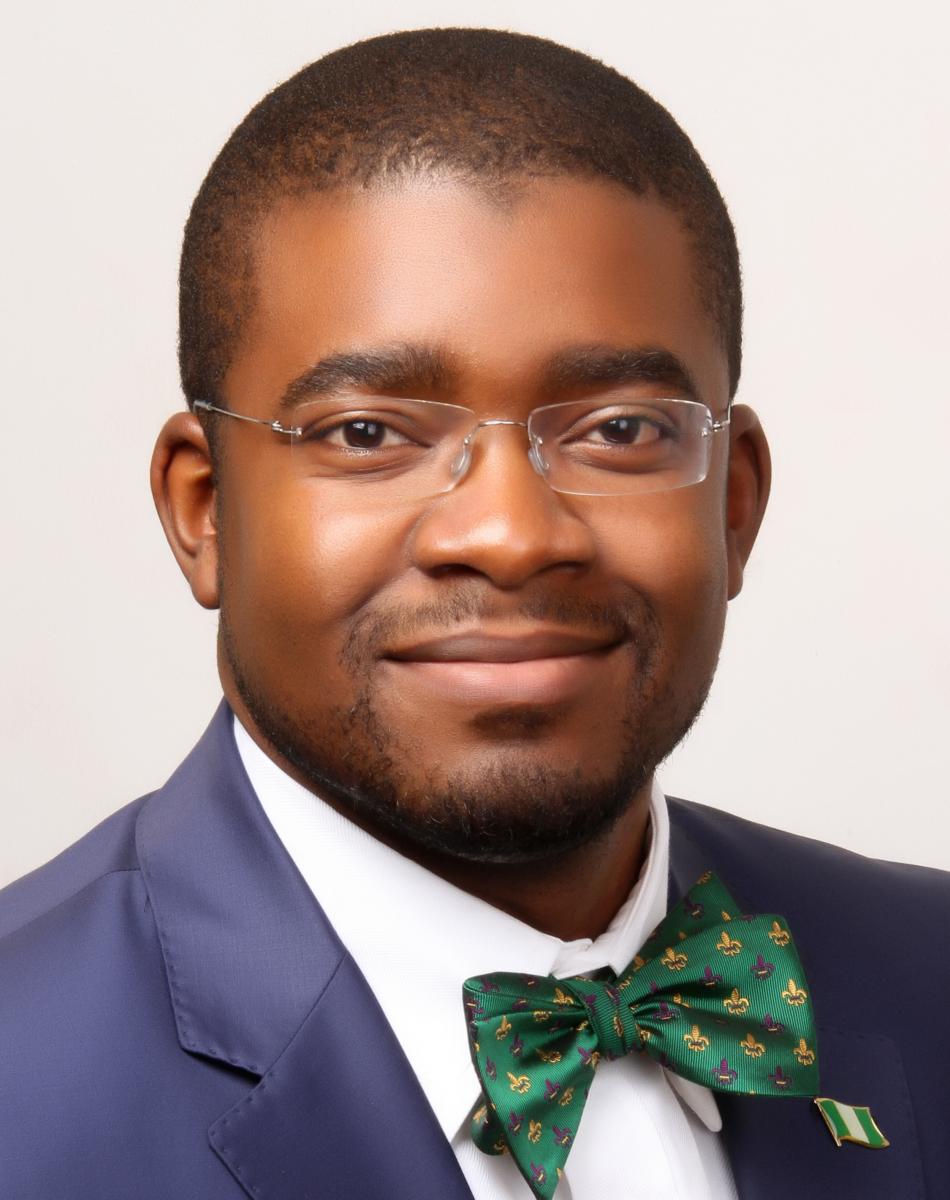 Debisi Araba is the Technical Adviser on Environmental Policy to the Honourable Minister of Agriculture and Rural Development in Nigeria. He was a member of the Advisory Committee on Agricultural Resilience in Nigeria, which developed the National Agricultural Resilience Framework, a low carbon policy instrument targeted at ensuring the resilience of Nigeria’s Agricultural sector from the shocks and stresses brought by climate change. He currently leads the Environment and Climate Change Unit of the Ministry of Agriculture and Rural Development, which is implementing the National Agricultural Resilience Framework.
Debisi holds a Doctorate degree from the Centre for Environmental Policy, Imperial College London, where his research focused on designing frameworks for incorporating evidence-based research into environmental policy in developing countries. He holds a MSc in Clean Technology from the University of Newcastle Upon Tyne and a BSc in Physical Geography from the University of Ibadan.
Kenneth Ayuko, Deputy Director for Policy Development Coordination, Ministry of Agriculture, Republic of Kenya
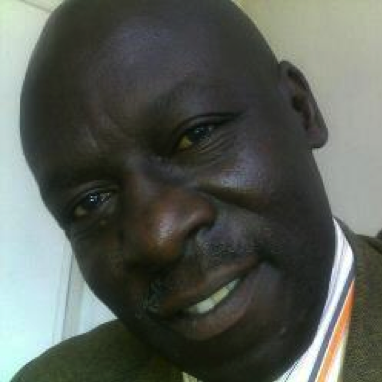 Kenneth Ayuko is the Deputy Director of Agriculture for Policy Development Coordination in the Ministry of Agriculture in the Republic of Kenya. He possesses extensive local and regional experience in the formulation and implementation of agriculture and rural development policies and programme concepts for food security, including; sustainable seed systems, farm input access, value chain development, climate change mitigation, agricultural risk management and agricultural insurance. He was the Director of Agribusiness Development from 2005 to 2007 during which time, he was in charge of the formulation and implementation of programmes for the attainment of sustainable food security and agriculture value chain development.
He has been a team leader of the Community Support Team for the implementation of the Food and Agriculture Organization (FAO) supported Horn of Africa Food Security Initiative pilot project for reducing chronic hunger in Bondo District Kenya between 2002 and 2003. As a Member of the Project Steering Committee for Agricultural Marketing Promotion and Regional Integration Project (AMPRIP) of the Common Market for Eastern and Southern Africa (COMESA) from August 2005 to December 2010, he was integral in the formulation of the strategic framework for deepening agricultural commodity trade among COMESA member states and beyond. Specifically he oversaw the development of the agricultural trade information platform including; the development and rollout of the COMESA–wide Food and Agricultural Marketing Information System (FAMIS) and electronic trade forum; identifying agribusiness opportunities and agricultural commodity export market niches; support to harmonization of tariffs and elimination of trade barriers; strengthening agricultural trade platforms including support to agricultural commodity exchanges, early warning systems and food security assessment and forecasting techniques; supporting harmonization of sanitary and phytosanitary (SPS) measures and food safety standards and strengthening sanitary and phytosanitary institutions including supporting assessment of quarantine facilities and rehabilitation of regional SPS reference and national laboratories; drawing and monitoring TORs for the COMESA SPS Technical Committee.Between December 2006 to August 2007 Mr. Ayuko was the Managing Director and Chief Executive Officer at South Nyanza Sugar Company, a State Owned Enterprise, where he was responsible to the Board of Directors for the implementation of the company’s corporate strategy, policies and programs, and ensuring improvement in the quality and value of products and services delivery to company clients.
Mr. Ayuko holds a MSc. degree in Agricultural Economics from the University of London at Wye, UK and a BSc. degree in Agronomy from Texas A&M University at College Station, Texas, USA.
Ayalneh Bogale, Adviser in Climate Change and Agriculture, African Union Commission
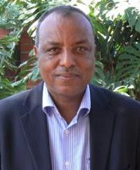 Ayalneh Bogale is Adviser in Climate Change and Agriculture at the African Union Commission (AUC) in Addis Ababa, Ethiopia. Prior to joining the AUC in December 2013, he was Director and Associate Professor at the African Centre for Food Security of the University of KwaZulu-Natal, South Africa. He received his PhD in Agricultural and Resource Economics from Humboldt University of Berlin (2002) and he holds a BSc (1986) and MSc (1992) in Agricultural Economics from Haramaya University, then the Alemaya University of Agriculture, Ethiopia. He has received various research and fellowship awards ,including the Alexander von Humboldt Research Fellowship (2007-2009) and the Agriculture for Peace Research Fellowship from the International Foundation for Science and the Institute for Advanced Studies of the United Nations University (2004). He has published internationally refereed articles in, among others, Journal of Development Studies, Climate and Development, Land Degradation and Development, Journal of Developing Areas, Food Security, Human Ecology, Ecological Economics, Irrigation and Drainage Systems, and the Quarterly Journal of International Agriculture. He has made numerous paper contributions to national and international conferences and shared his findings from collaborative research projects. His research interests are climate change and resilience, economics of resource degradation, poverty and food security, and property rights.
Razac Boukary, Chief Technical Advisor of Rural Development and Counselor for the High Commissioner for the national strategy for Food Security and Agriculture development (3N Initiative), Niger President Office
 Dr Abdou Razac Boukary is an agronomist at the Niger President Office working on the national strategy for Food Security and Agriculture development called 3N Initiative “Nigeriens feeding Nigeriens”. Dr. Boukary graduated from the National Agronomic Institute of Tunis (INAT). He then studied in different universities including the Faculté Universitaire des Sciences Agronomiques de Gembloux, also known as Gembloux Agro-Bio Tech. He successively obtained a post-graduate diploma in tropical agronomy, a master’s degree of science in Tropical Animal Production, and a PhD in Epidemiology and Risk Management.
He started is career in 1997 as a researcher, working on various international cooperation projects between universities. Since 2003, Dr. Boukary is an academic teacher and a researcher at the School of Agriculture of the University of Niamey. He is also the head of the unit “Promotion of Breeding and Natural Resources Management” of the non-profit Karkara. In 2011, Dr. Boukary was appointed as a Chief Technical Advisor of Rural Development at the Niger President Office, and as a counselor for the High Commissioner for the national strategy for Food Security and Agriculture development, the 3N Initiative. He is in charge of elaborating and coordinating the strategy for food security and nutrition, and of rural development in Niger.
Dr. Boukary has written more than twenty articles in international, peer-reviewed scientific journals. Ha has participated in various international congresses and has coordinated conferences and studies on climate change in Niger and in Sub-Saharan Africa.
Jill Cairns, Senior Scientist, International Maize and Wheat Improvement Center (CIMMYT)
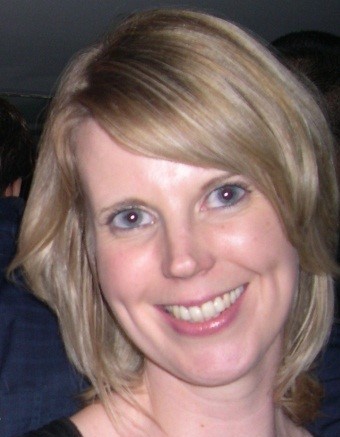 Jill Cairns is a Senior Scientist at the International Maize and Wheat Improvement Center (CIMMYT) based in Harare, Zimbabwe. Her main areas of research include the potential impacts of climate change on maize production in sub-Saharan Africa and the identification of priority strategies for climate change adaptation. She is also part of a team developing abiotic stress tolerance maize germplasm for small-holder farmers in Eastern and Southern Africa.
Jill received her PhD from the University of Aberdeen in UK and Africa Rice Centre (ARC), Côte d’Ivoire. She has more than fourteen years’ research experience in South East Asia, Latin America and Africa. Prior to joining CIMMYT she worked at the International Rice Research Institute (IRRI), Philippines for six years. Jill has published more than 30 articles in peer-reviewed international journals.
Bruce Campbell, Director of the CGIAR Research Programme on Climate Change, Agriculture and Food Security (CCAFS)
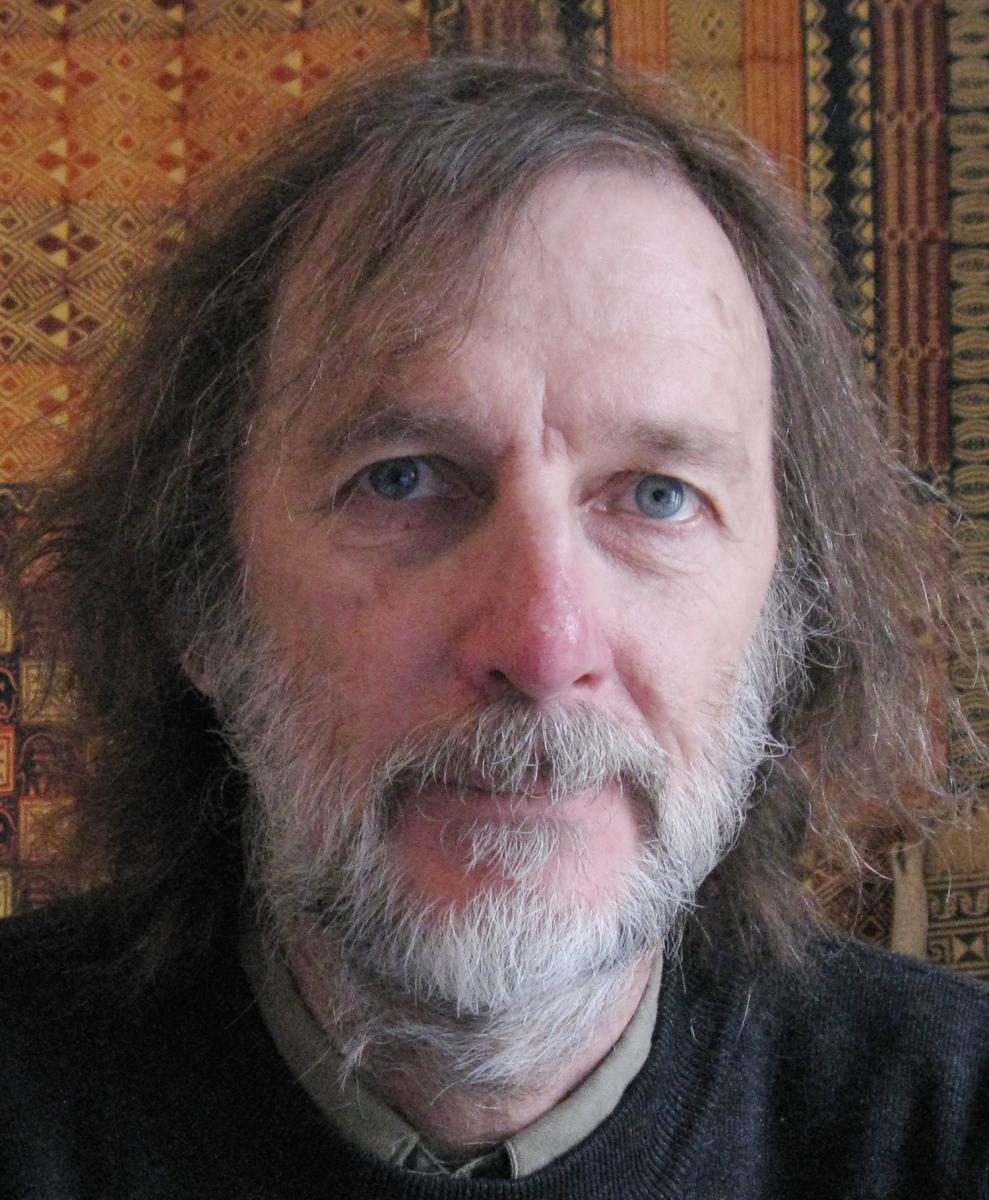 Dr. Bruce Campbell has degrees in Ecology from Cape Town (BSc Hons.), Minnesota (MSc) and Utrecht (PhD), and has increasingly moved into inter-disciplinary work, championing new approaches to applied research on natural resource management. He is Director of the CGIAR Research Programme on Climate Change, Agriculture and Food Security (CCAFS), and a staff member of the International Centre for Tropical Agriculture (CIAT). He operates out of the CCAFS office at the University of Copenhagen in Denmark. Bruce also serves on several editorial boards, and is a scientific committee member of PECS, the ICSU Programme on Ecosystem Change and Society. He was previously based in Zimbabwe, Indonesia and Australia, where he worked in agricultural and forestry research for development. He has published over 100 peer-reviewed articles and a dozen books.
CCAFS addresses the increasing challenge of global warming and declining food security on agricultural practices, policies and measures through a strategic collaboration between CGIAR and Future Earth. CCAFS brings together the world's best researchers in agricultural science, climate science, environmental and social sciences to identify and address the important interactions, synergies and trade-offs between climate change and agriculture.
Tinashe Chavhunduka, Project Administrator, National Emergent Red Meat Producers’ Organisation, and African Farmers’ Association of South Africa (AFASA)
 Tinashe Chavhunduka works as a Project Administrator at the National Emergent Red Meat Producers’ Organisation (NERPO), a smallholder farmers’ commodity based organisation of farmers farming with cattle, sheep and goats. Together with other NERPO employees, provide secretarial services to African Farmers’ Association of South Africa (AFASA), a national association of smallholder farmers. His work functions include identification of the challenges facing smallholder farmers and suggesting and managing projects to address these challenges. Tinashe is also involved in agricultural development debates on behalf of both NERPO and AFASA members and attends workshops, seminars and meetings on topical issues presently being discussed in the agricultural sector. Prior to joining NERPO, he had a short stint at the French Development Agency (AFD) as a researcher, worked as agricultural research technician for a sugar cane research station from 2001-2004 and worked for a post-harvest grain handling company in Zimbabwe from 2004-2009.
Tinashe holds an Honours degree in Agricultural Economics from the University of Pretoria, a BSc Agricultural Management degree from Zimbabwe Open University, a Certificate in Quality Assurance from City and Guilds of London and currently finalising his dissertation for a Master’s degree in Agricultural Economics with the University of Pretoria.
Daniel Clarke, Senior Disaster Risk Financing and Insurance, GFDRR, The World Bank
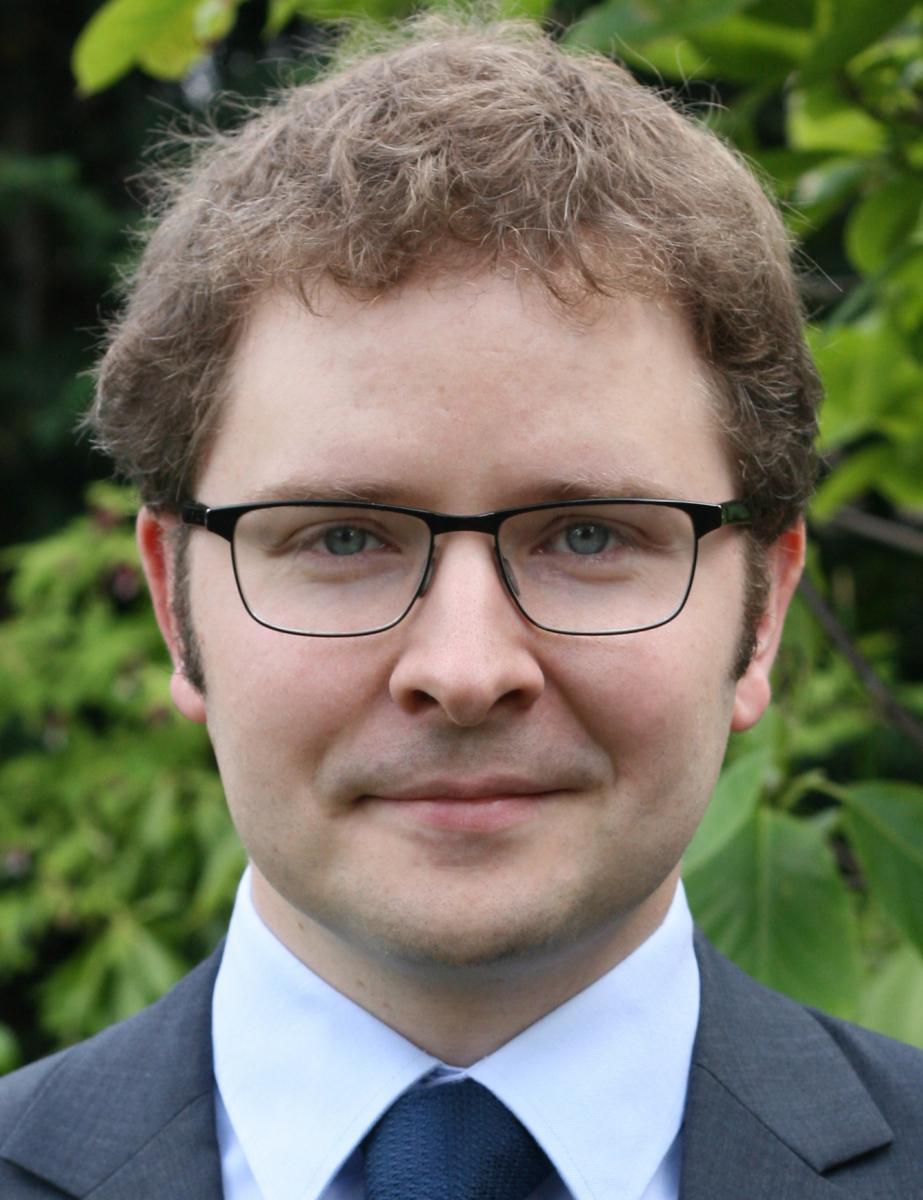 Dr Daniel Clarke is a senior Disaster Risk Financing and Insurance (DRFI) specialist working for the World Bank-GFDRR DRFI Program where he coordinates the Sovereign DRFI Impact Appraisal Project, the DRFI Analytics workstream, and the Agricultural Insurance Development Program. His role focuses on working with client countries towards efficient, cost-effective solutions for disaster risk financing and insurance. Since 2006 he has worked with the World Bank on a wide range of projects ranging from sovereign DRFI in Mexico, Colombia, Indonesia, the Caribbean region and the Pacific region, to agricultural insurance in India and Mongolia.
Before joining the World Bank as staff he trained as an actuary in the private sector before spending six years lecturing financial mathematics and financial contracting in developing countries at the University of Oxford. Dr Clarke has a first class degree from Cambridge University in Mathematics in Computer Science and a D.Phil. in Economics from the University of Oxford, and is a Fellow of the Institute of Actuaries.
Mamadou Diakité, Team Leader of the Sustainable Land and Water Management, New Partnership for Africa's Development (NEPAD)

Mamadou Diakhité, a Senegalese national, works at NEPAD Planning and Coordinating Agency (NPCA), based in Johannesburg/Midrand, as the Team Leader of the Sustainable Land and Water Management (SLWM) Programme, overseeing among other initiatives the TerrAfrica Partnership.
Mr. Diakhité holds Master degrees in international development and environment management. He previously held positions include working at the UNFCCC Secretariat (in the LDC and CDM units), the UNEP Green Economy Advisory Services and at UNITAR, as the manager of its climate change programme.
Nicolas Guigas, Trade Promotion Division, Swiss Secretariat for Economic Affairs (SECO), Swiss Confederation
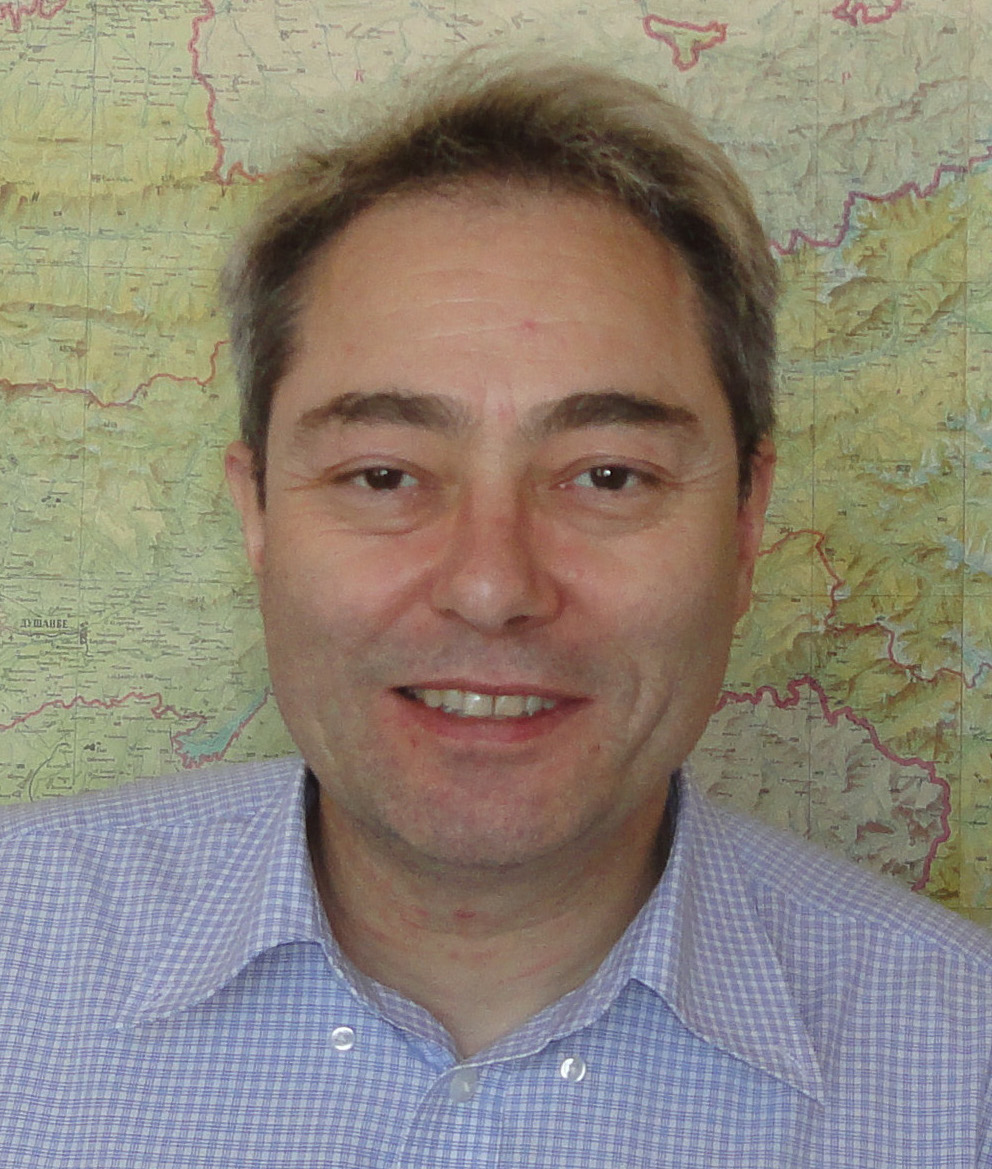 Nicolas Guigas works for the Trade Promotion Division of the Swiss State Secretariat for Economic Affairs (SECO). He is responsible of various programs aiming to promote the trade of products coming from biodiversity and of the question of agricultural risk management. Nicolas received his M.S. and Ph.D. in International Economics at the Graduate Institute of International Studies (GIIS-HEID) in Geneva. He is also Chartered Financial Analyst. After working in an insurance company, he entered the Macroeconomic Division of SECO in 2002 where he was responsible of General Budget Support Operations for some African Countries and Capacity Building Programs in Debt Management for HIPCs. From 2009 to 2013, he was the deputy country director of the Swiss Cooperation Office in Tajikistan.
Jerry Hjelle, Vice President, Science Policy, Monsanto Company
 Dr. Jerry Hjelle (Ph.D., Pharmacology, University of Colorado) is Vice President, Science Policy at Monsanto Company. He is responsible for coordinating key science policy initiatives within Monsanto’s Global Technology organization. Previously, he was VP, Global Regulatory, managing over 550 scientists and professionals in the development of health and safety research on new agricultural chemical and biotechnology products and global regulatory approvals. Prior to that role, he was VP, Regulatory Nutrition and Consumer Products and Assistant Professor at the University of Wisconsin, Madison.
He is President of the International Life Sciences Institute (ILSI) a nonprofit, worldwide scientific organization whose mission is to improve public health. Its research and capacity building activities focus on food and water safety, the science of risk assessment, sustainable agriculture and food security, and nutrition and well-being. It fosters collaboration among academic, government and industry scientists.
Dr. Hjelle is a Diplomat of the American Board of Toxicology and is Vice Chairman of the Research Foundation within ILSI.
Peter Maina Ithondeka, Director of Veterinary Services, Republic of Kenya, World Animal Health Organisation Delegate for Kenya; and Registrar, Kenya Veterinary Board
 Dr Peter Maina Ithondeka has 32 Years working experience in livestock disease control and marketing. Dr Ithondeka holds a Bachelor of Veterinary Medicine Degree from the University of Nairobi awarded in 1977. He holds a Masters of Business Administration (MBA) degree with project work in “Strategies and Challenges by Firms in the Kenyan livestock Industry in Promoting Exports of Livestock and Livestock Products: the animal health perspective”. He also holds a PhD in Veterinary Public Health on “Global Sanitary Measures and Their Effect on the Kenyan Livestock and Meat exports”, awarded in 2010.
Dr Ithondeka was registered as a veterinary surgeon in 1979 by Kenya Veterinary Board. He has been an active member of the Kenya Veterinary Association since joining in September 1977 and thereafter being elected as Central Kenya Veterinary Association Chairman between 1995 and 1997. Dr Ithondeka was gazzetted as a Registered Inspectors of Animal Feeds and Fertilizers on 8th February 1984. On 26th August 2002, he was appointed as a member of Kenya Veterinary Board and reappointed to the same board in 10th March 2006.
Since joining the Department of Veterinary Services in 1977, Dr Ithondeka served in diverse capacities in veterinary field and laboratory services culminating in his appointments as Provincial Director of Veterinary Services in Eastern and Coast Provinces, Chief Veterinary Field Officer and Deputy Director in charge of Extension and Reforms. He was promoted to the position of Director of Veterinary services in Charge of Veterinary Services in Kenya on 15th of May 2007. Dr Ithondeka is the OIE Delegate for the country and handles all technical issues and administrative issues pertaining to the veterinary services in the country with liaison with other Ministries.
Raphael Karuaihe, Manager Commodity Derivatives, Johannesburg Stock Exchange (JSE)
 Raphael Karuaihe is a Manager Commodity Derivatives at the Johannesburg Stock Exchange (JSE). Raphael joined the JSE at the beginning of 2012 after heading up an agribusiness brokerage firm based in Pretoria. Prior to that Raphael spent many years in the financial advisory services industry where he advised institutional clients on retirement planning, investments and risk management.
At the JSE, Raphael is involved with the design and distribution of tradable risk management solutions for the broader agricultural sector as well as for emergent agriculture.
Raphael holds a doctorate in agricultural economics.
Fatima Kassam, Chief of Staff, African Risk Capacity (ARC), Advisor to the African Union Commissioner for Rural Economy and Agriculture
 Fatima Kassam is the Chief of Staff of the African Risk Capacity and an Advisor to the African Union Commissioner for Rural Economy and Agriculture. Fatima joined the ARC project at its inception in 2009. She manages the Johannesburg-based client services team delivering capacity-building assistance to AU Member States participating in or wishing to join the ARC risk pool, ensures harmonization of ARC with regional and global policy agenda and assists the Managing Director in ensuring the facility's financial sustainability.
Fatima’s experience includes working in Addis Ababa and Rome as a consultant to the UN World Food Programme (WFP) on its ground-breaking project with the Government of Ethiopia to write the contingency plan for their weather and climate risk management program. Her work also extends to Mozambique with TechnoServe and an investment group led by the former Minister of Finance to produce and market new products, revive old products and lead long term agricultural investment planning for coastal provinces.
Fatima holds a dual M.A. in International Economics and International Development from the Johns Hopkins School of Advanced International Studies (SAIS) and a dual B.A. in Economics and French Post-Colonial Studies from Emory University. She is a graduate of the Coro Fellows Program in Public Affairs and attended La Sorbonne — University of Paris I. Fatima speaks English and French and is based in Johannesburg.
Wadzanai Katsande,Investment Officer, Food and Agriculture Organization of the United Nations in South Africa
 Wadzanai Katsande is a Zimbabwean national who holds an MSc Degree in Community Economic Development from the Southern New Hampshire University in Manchester, New Hampshire USA and has over 24 years of experience in emergency and rural development. Ms Katsande has experience in the management of multi-sectoral projects in the areas of health, agriculture, small-scale rural enterprise development, food security, and education as well as working in the private sector. She has over 18 years experience in the design of large development investment programmes financed by IFAD, World Bank and the African Development Bank (AfDB), in particular focusing on their economic and financial analysis. Ms Katsande worked as a free-lance consultant and team leader in programme and financial management since 1996 working with multi-disciplinary teams in various parts of the world, and she joined FAO Investment Centre (TCIA) in 2010. Wadzanai is a wife and mother of two, an activist and a firm believer in the power of economic empowerment. Her passion is taking action to ensure that developing countries, Africa in particular, find appropriate and innovative solutions to combat poverty, debt, poor governance and disease.
James Kinyangi, Principal Scientist and Regional Program Leader, CGIAR Research Program on Climate Change, Agriculture and Food Security (CCAFS)
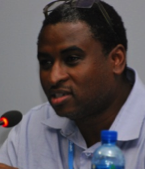 Dr. James Kinyangi works for the CGIAR Research Program on Climate Change, Agriculture and Food Security (CCAFS), East Africa as a Principal Scientist and Regional Program Leader. He oversees the work of participating Consultative Group on International Agricultural Research (CGIAR) and non-CGIAR partners and coordinates actions that lead to coherent implementation of the CCAFS regional strategy, linking climate change, agriculture and food security. He is in charge of developing core activities with partners to contribute to research outputs and outcomes that are critical to achieving policy changes and address regional priorities around climate change adaptation and mitigation.
Dr. Kinyangi has over 15 years of experience in research and program management and coordination in crop-livestock integration, soil-crop modeling, soils and land management; water related poverty, as well as research partnerships that promote science and policy interactions on climate change, agriculture and food security in Africa. Prior to joining CCAFS, he was the Agricultural Advisor at Food and Agriculture Organization of the United Nations (FAO). He holds a PhD in Soil, Crop and Atmospheric Sciences from Cornell University - Ithaca, New York USA and a MSC in Crop and Soil Sciences, Michigan State University - East Lansing, Michigan, USA.
Bright Bratso Kumwembe, Principal Secretary, Ministry of Agriculture, Irrigation and Water Development, Republic of Malawi
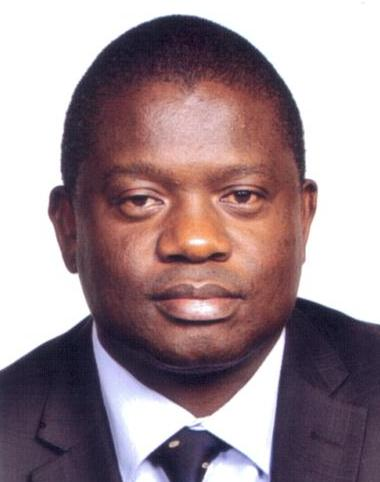
Mr Bright Bratso Kumwembe is the Principal Secretary II in the Ministry of Agriculture, Irrigation and Water Development in Malawi. He joined the civil service in 1991 after obtaining his Bachelor’s degree in Public Administration from University of Malawi, Chancellor College. He has since then worked in different ministries and has held different positions. Before becoming Principal Secretary, he was Director of Administration in the Ministry.
Bright received his Masters degree in Business Administration in United Kingdom in 2000 from the University of Wales, Cardiff Business School.
Gabriel Levanon, SADC Area Manager, Netafim Inc.
 Gabriel is the SADC area manager for Netafim in charge of Marketing, Technical Support and Trunkey Projects in the SADC countries. Netafim is the world leader in Micro Irrigation systems with 24 subsidiaries and over 80 agencies around the world. Gaby leads a team of Agronomists, Engineers, Designers and technicians that provide farmers with complete irrigation solutions in the SADC area. He has been involved in the field of irrigation since 1989, and working with Netafim since 1998. Gaby is currently Chairmen of the Gauteng Branch of the South African Irrigation Institute and is a member of the SABI council. He qualified with a Bsc Agriculture (Economics & Subtropical) from the Hebrew University of Jerusalem in 1987 and managed several farms before joining Netafim. He has worked on irrigation projects in Israel, USA , India, Sri-Lanka and many countries in Africa.
Andries Mahlase, Client Relationship Manager, Munich Re
 Andries Mahlase is a Client Relationship Manager at Munich reinsurance Company of Africa. He heads the Special Risk and Agro Division of MRoA, which is responsible for agriculture, surety and contingency business for MRoA in Southern Africa. Prior to joining MRoA in 2002, Andries worked for the Development Bank of Southern Africa, Limpopo Agricultural Development Corporation, and Heifer International South Africa.
Andries received his B. Agric Admin degree from the University of Limpopo in 1987, Management Development Programme in 1997, Masters in Business Leadership (MBL) in 2003 from the University of South Africa(UNISA), and a Higher Certificate in Insurance from the Insurance Institute of South Africa.
Gerald Mahinda, Managing Director, Kellogg's Sub-Saharan Africa
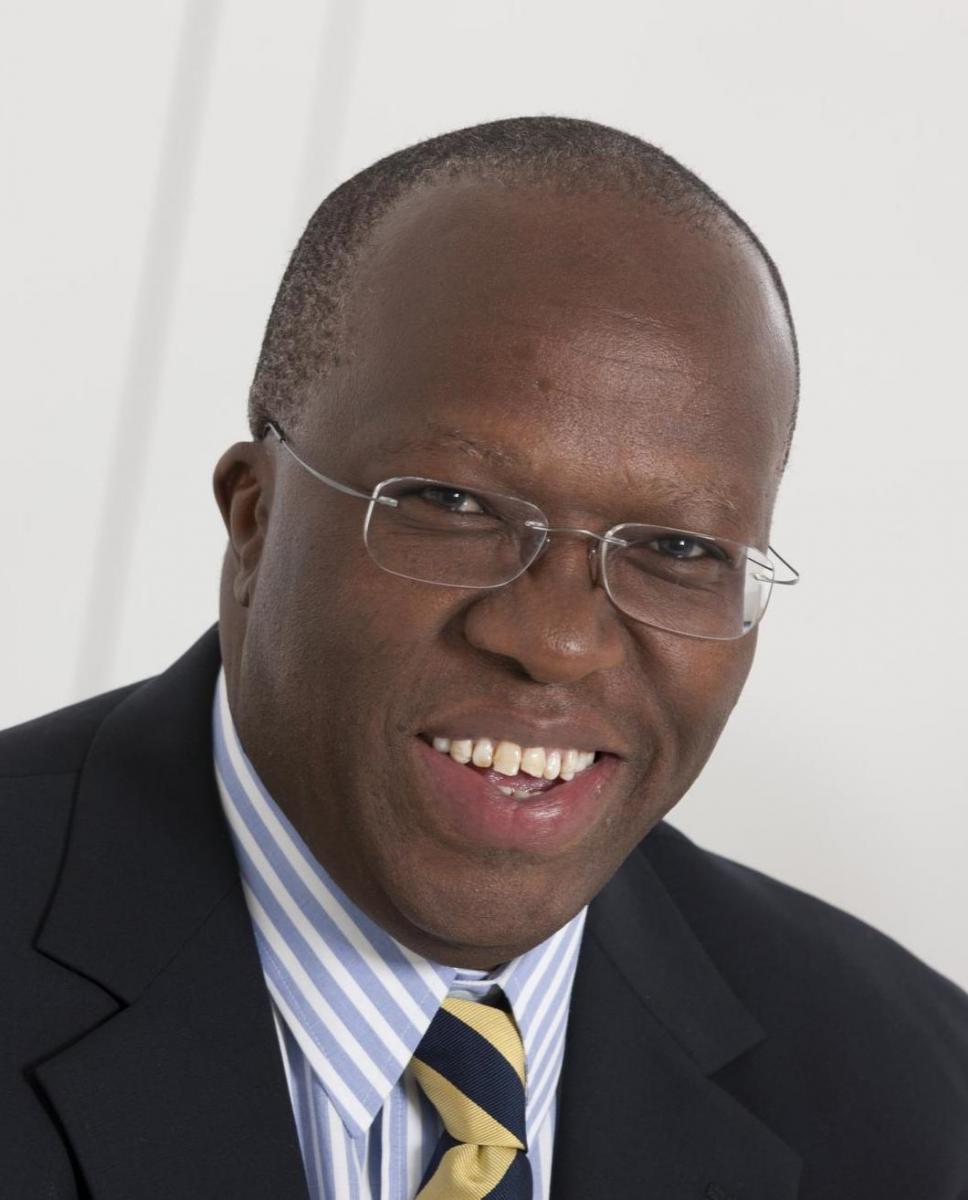 Gerald Mahinda has held a variety of executive positions including CEO and Managing Director roles for major multinationals throughout the whole of East Africa, Nigeria, Zimbabwe, and South Africa (including Southern Africa). The exceptional performance he has delivered come from his focus on strategic planning, people development, and technology utilization, supported by his “spike” strength in innovation and value creation through restructuring, M&As, and joint ventures. Born and schooled in Nairobi, Kenya.
Gerald Mahinda holds a Bachelor of Commerce in Accounting from the University of Nairobi, is a Certified Public Accountant in Kenya, and completed INSEAD’s International Executive Management Program and numerous advanced level executive management courses at institutions including INSEAD, GAP International, and Harvard Law School. He has served on many corporate Boards of Directors, and been an active member of professional organizations including The Kenya Institute of Management and the Institute of Certified Public Accountants. Mr. Mahinda was recognized as a Hall of Fame Nominee by AIESEC, and was awarded by Kenya’s President with the Moran Order of the Burning Spear for his distinguished service to the nation.
Shadreck Mapfumo, Senior Financial Specialist, Global Index Insurance Facility, International Finance Corporation (IFC)
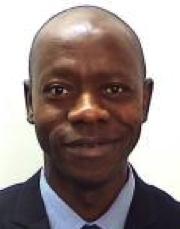 Shadreck Mapfumo is a Senior Financial Specialist with the Global Index Insurance Facility at the International Finance Corporation, World Bank Group. He is an actuary with more than 17 years’ experience in insurance, reinsurance and micro insurance. His area of specialization is index based insurance and risk modelling.
Before joining IFC, Shadreck worked for World Food Program as Head of Risk Management. He started his career in micro insurance and index insurance with Opportunity International/MicroEsnure where he spent 7 years as Vice President for Agriculture Insurance. Shadreck’s academic training spans over insurance and risk management, reinsurance, actuarial science and data analytics.
Kola Masha, Managing Director, Doreo Partners
 Kola is the Managing Director of Doreo Partners, an impact investing firm focused on the African agriculture sector. Doreo invests in early stage businesses that increase the profitability of small holder agriculture, which in turn creates market forces that attract young people into agriculture… Unlocking millions of jobs. Doreo’s flagship investment, Babban Gona, is an innovative Agricultural Franchise model that works to de risk small holder farmers. This de-risking enables Babban Gona to deliver sustainably priced, low-cost, and long tenure credit, with repayment rates of over 99.5% to finance a value chain traditionally considered too risky to finance.
Kola brings significant leadership experience across four continents and multiple leading companies, including General Electric (GE), Abiomed and Notore. In addition, Kola brings extensive public sector experience as the former Senior Advisor to the Nigerian Minister of Agriculture. Kola is globally recognized as a thought leader in African Agribusiness. In recognition for his leadership in driving positive change on the African Continent he has received several global awards including the prestigious Eisenhower Fellowship and Rainer Fellowship. Kola holds an MBA (Honors) from Harvard and Masters in Mechanical Engineering (Distinction) from Massachusetts Institute of Technology, MIT.
Ramesh Moochikal D. (MDR), President & Regional Head for South & East Africa, Olam International Ltd.
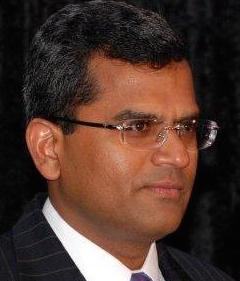 Ramesh has made a distinguished career expertise in Agriculture /Food Commodities and Africa. The geography under his supervision consists of 20 countries in Central, South and East Africa. His current strategic business unit employs over 3,000 people including 50 top global managers. He serves on the Olam’s Global Management Committee.
Ramesh joined Olam at its inception in Nigeria 22 years ago, and has been a part of the core team that saw the company grow from a green field start up to a Singapore listed USD 18 billion revenue organization today. Ramesh has lived and worked in multiple countries across Africa and also headed Olam’s India operations at one time in his career. He started Olam’s trading desk in Europe, based out of the Netherlands, before returning to Africa.
Ramesh has worked closely with farmer groups, worked alongside government programs, set up and run logistics and processing operations and also set up distribution structures in a variety of African markets. He is widely consulted by banks, government structures, NGOs and private businesses. He teaches at the University of Cape town.
Ramesh lives in Durban with his wife and daughter.
Elijah Mukhala, World Meteorological Organization (WMO) Representative for Eastern and Southern Africa
 Dr. Elijah Mukhala works for the World Meteorological Organization (WMO) as a WMO Representative for Eastern and Southern Africa based in Nairobi, Kenya responsible for 27 countries in Africa. His duties are mainly supporting the development of meteorology in the 27 member States including supporting the Global Framework for Climate Services (GFCS) and representing WMO in international meetings to advance the work of WMO.
Elijah is an Agrometeorologist with an interest in climate change and variability and its impact on Agricultural production. He participated in the development of the Water Requirement Satisfaction Index (WRSI) model in the early 1990s with FAO. Elijah received his Bachelor of Agricultural Sciences degree from the University of Zambia in 1987. He joined the Department of Meteorology in Zambia before pursuing his Master of Science in Agrometeorology at the University of Reading in 1988. He worked for the University of Zambia as a Lecturer before pursuing his PhD at the University of Free State in South Africa completing in 1999. Communication of climate information to farmers is major challenge in Africa and this prompted him to study for Master of Science in Communication Science at the University of Free State in 2000. He joined Southern Africa Development Community (SADC) in 2001 as a Regional Agricultural Meteorologist for the 14 Member States. He later joined the Food and Agricultural Organization (FAO) in 2007 based in Juba, South Sudan to develop food security information systems for South Sudan after 25 years of civil war. After spending 6 years in South Sudan, he joined WMO as a Representative for Eastern and Southern Africa in 2013, the position he currently holds.
Telesphore Ndabamenye, Deputy Director General of Infrastructure, Mechanization and Agriculture Extension, Ministry of Agriculture and Animal Resources, Senior Manager, Rwanda Agriculture Board, Republic of Rwanda
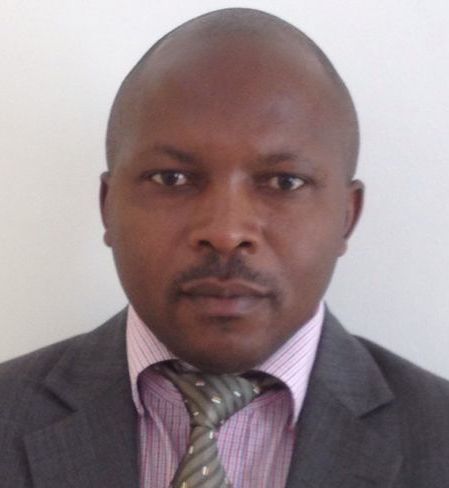 Dr. Telesphore Ndabamenye works for Rwanda as Government senior manager at the Rwanda Agriculture Board under the Ministry of Agriculture and Animal Resources as Deputy Director General of Infrastructure, Mechanization and Agriculture extension. His major duties are focused on soil erosion control and land husbandry, soil fertility management, infrastructure development, irrigation development, farm machinery development and food security enhancement through crop intensification programme. He received a PhD degree in Soil Science from the University of Pretoria, South Africa in 2014 and a MSc degree in Soil Science from Wageningen University, the Netherlands in 2006. He conducted research on Plant density management and its effect on the productivity of low input East African highland banana (Musa spp.)-based cropping systems with emphasis on the influence of ecological characteristics and resource availability on the productivity of those systems.He also conducted research in the area of climate change by addressing the issue of soil quality and biological soil quality, emphasising on soil carbon sequestration through interactive effects of soil macrofauna, tillage and crop residue management in the Sub-Saharan region. He developed methodological approaches for soil erosion control for increasing agricultural productivity in Rwanda. He worked as scientist in agroforestry from 2001 to 2007. He has published papers in different peer review international journals such as Field Crops Research, Scientia Horticulturae, Nutrient Cycling in Agroecosystems, and co-published in Agriculture Ecosystems & Environment and Journal of Applied Biosciences.
Delali Kofi Nutsukpo, Deputy Director, Ministry of Food and Agriculture, Republic of Ghana
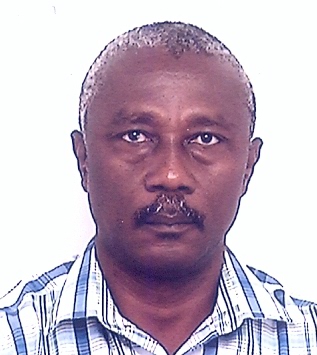 Delali Kofi Nutsukpo is a Deputy Director with the Ministry of Food and Agriculture, Ghana with responsibility for environment and climate change within the food and agriculture sector. Mr. Nutsukpo holds a Master of Philosophy degree in Soil Science from the University of Ghana, Post Graduate Certificate in Extension Coordination from Agriculture Academy, Odense, Denmark and Post Graduate Diploma in Organization Development from the University of Cape Coast, Ghana.
Mr. Nutsukpo has during the last 25 years been engaged in promoting improved land resources management within farming communities across Ghana with emphasis on building capacity for effective extension service delivery. He is now focused on ensuring the mainstreaming of environmental sustainability including climate change into sector policies, plans and programmes. Mr. Nutsukpo contributed to the book on West Africa Agriculture and Climate Change (A Comprehensive Analysis) as the lead author of the chapter on Ghana. He is currently pursuing a Masters Program in Public Administration at the Ghana Institute of Management and Public Administration.
Bode Opadokun, Managing Director/Chief Executive of Nigeria Agricultural Insurance Corporation (NAIC)
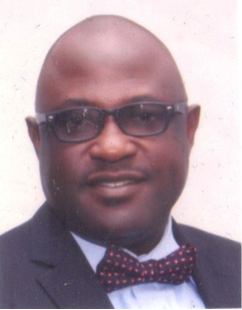 Bode Opadokun works as the Managing Director/Chief Executive of Nigeria Agricultural Insurance Corporation (NAIC), Abuja. NAIC is a wholly owned Federal Government of Nigeria Corporation that specialises in underwriting of Agricultural Insurance whose primary objective is to promote increased food production through risk management in Nigeria. He leads a team of professionals drawn from the private sector to re-engineer and re-design the practice of Agricultural Insurance in Nigeria towards ensuring the successful implementation of on-going Agricultural Transformation Agenda of the Federal Ministry of Agriculture and Rural Development under the able Leadership of Honourable Minister, Dr Akinwunmi Adeshina CON.
Bode is a graduate of Insurance from Lagos State Polytechnic with a Masters degree in Business Administration (MBA) from Delta State University. He is an Associate of the Chartered Insurance Institutes of London and Nigeria (ACII) and a Fellow of the Chartered Insurance Institute of Nigeria (FCIIN). He is an Alumni of Pan African University (Lagos Business School), Lagos, Nigeria.
He started his career with Cornerstone Insurance Plc. in 1991. A prudent underwriter, marketer, effective manager and Leader. Bode has attended several local and international courses in technical, marketing and management including ‘Siyafunda Property and Engineering Course in Swiss Reinsurance, Jo’Bourg, South Africa. Until his recent appointment as Managing Director/Chief Executive of Nigeria Agricultural Insurance Corporation, Bode had worked as General Manager, Technical/Energy and Special Risks of Consolidated Hallmark Insurance Plc and as a pioneer executive management staff of First Chartered Insurance Company Limited.
Marc Sadler, Adviser, Agricultural Risk and Markets, Agriculture Global Practice, The World Bank
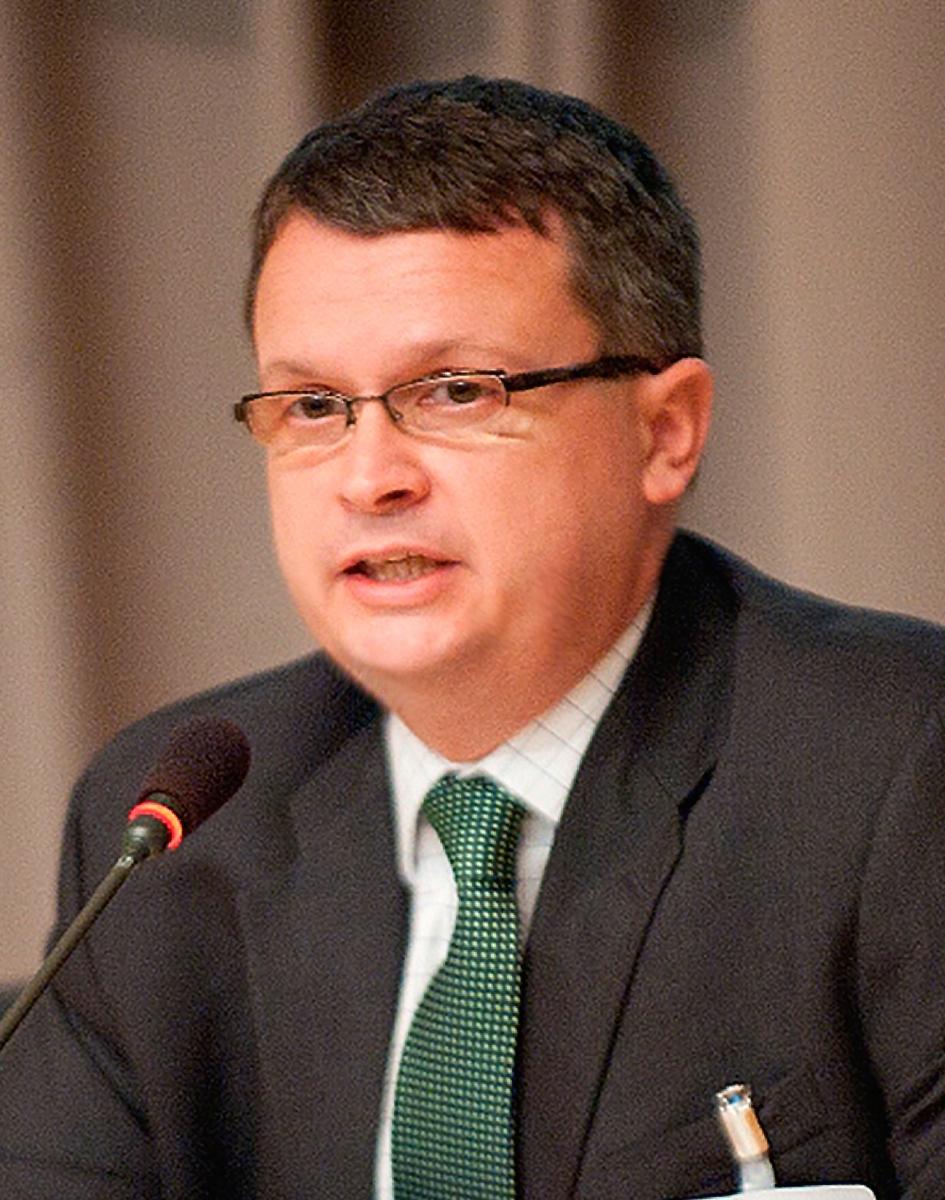
Marc Sadler is Adviser on Risk and Markets of the World Bank's Agriculture Global Practice. He is an expert on commodity markets, finance, logistics, trading and risk management, and regularly advises governments and supply chain stakeholders on these and related issues.
Before joining the World Bank in Washington, D.C., Marc spent six years as a consultant for the World Bank and the Food and Agriculture Organization of the United Nations (FAO) in Central Asia, the Caucasus and Turkey. Prior to this, he spent nine years as a commodities trader (import and export), based out of the former Soviet Union.
He has an MA in Jurisprudence from Trinity College, Oxford University.
Mariame Soumare, NEPAD's Principal Food Security Analyst, New Partnership for Africa's Development (NEPAD)
Mariam Soumare Sow works since 2011 for the NEPAD Agency, located in Midrand, South Africa. She is in charge of the Agriculture and Food Insecurity Risk Management (AFIRM) Initiative under the CAADP Program. This initiative is run in collaboration with FAO and the Platform for Agriculture Risk Management based at IFAD. Prior to joining the NEPAD Agency, she worked extensively in West, Central and Southern Africa on early warning and food security information systems for crises and risk management and on sustainable development issues as well. Among other previous tasks, she coordinated the Food Security Regional Program of CILSS/INSAH based in Bamako, and was the Chief Technical Advisor for the SISA/SAP, an EC/FAO funded project in Chad from 2007 to 2010. She earned a Master’s degree in Agricultural Economics from Cornell University in the USA and a Diplome d’Etudes Approfondies (D.E.A.) degree in development economics from the University of Paris X Nanterre in France.
Langelihle Simela, Programme Manager, Farmer Support and Youth Development, National Red Meat Producers Organization (NERPO)
 Dr. Simela holds a PhD degree in Meat Science obtained from the University of Pretoria and an MSc in Animal Science from the University of Zimbabwe. She has been working with NERPO since 2004 in farmer support and development programmes. Prior to her PhD studies, Dr Simela worked as a Research Fellow of the University of Zimbabwe on smallholder small ruminant production and marketing development projects. She also worked for two years as an Agricultural Consultant with Linds Agricultural Services (Zimbabwe). During her PhD studies, she was contracted by the Food and Agriculture Organisation of the United Nations (FAO) headquarters in Rome to compile a Manual on good agricultural practices for the meat and livestock sector. Dr. Simela’s major interest is the application of Animal Sciences to the development of commercially-oriented livestock producers.
Julian Smith, Lead for International Development, The Food and Environment Research Agency (FERA)
 Julian Smith is with over 20 years experience in crop agriculture of UK and developing countries, and in forging partnerships between north and south institutions. Trained as a plant bacteriologist and molecular biologist, he has worked with crops as varied as potato to banana to coconut to cassava, and in countries of East Africa, South America and Asia. A particular interest has been in promoting investment in mitigating the threat of crop pest and disease epidemics and building early outbreak response capabilities with developing countries that lead to a ‘one-world’ outcome for food security.
At the Food and Environment Research Agency (Fera) he has primary responsibility for development and oversight of Fera’s activity in developing countries, most notably in Africa and in areas of crop health. Fera, as the main evidence provider to the UK government on agriculture, retains one of the largest critical mass of agricultural expertise in the UK focusing on sustainable crop production and land-use. His role in partnering Fera with commercial, overseas governmental bodies and other institutions (notably the International Agricultural Research Centres) is based on identifying those elements of Fera research, services and knowhow that may be valued by the partner and are otherwise not available locally. Fera strongly believes in the principle of partnership subsidiarity and in providing ‘head space’ for true local capacity to grow into.
He studied at Aberystwyth University in the UK, completing a BSc and PhD in Agricultural Botany and rhizobial inoculants, respectively. He joined CAB International in 1992, where he headed areas of molecular biology and biotechnology (genetically modified organisms). In 2005, he moved to Central Science Laboratory at York, which later transferred to Fera.
Christina Ulardic, Head of Market Development Africa, Swiss Re
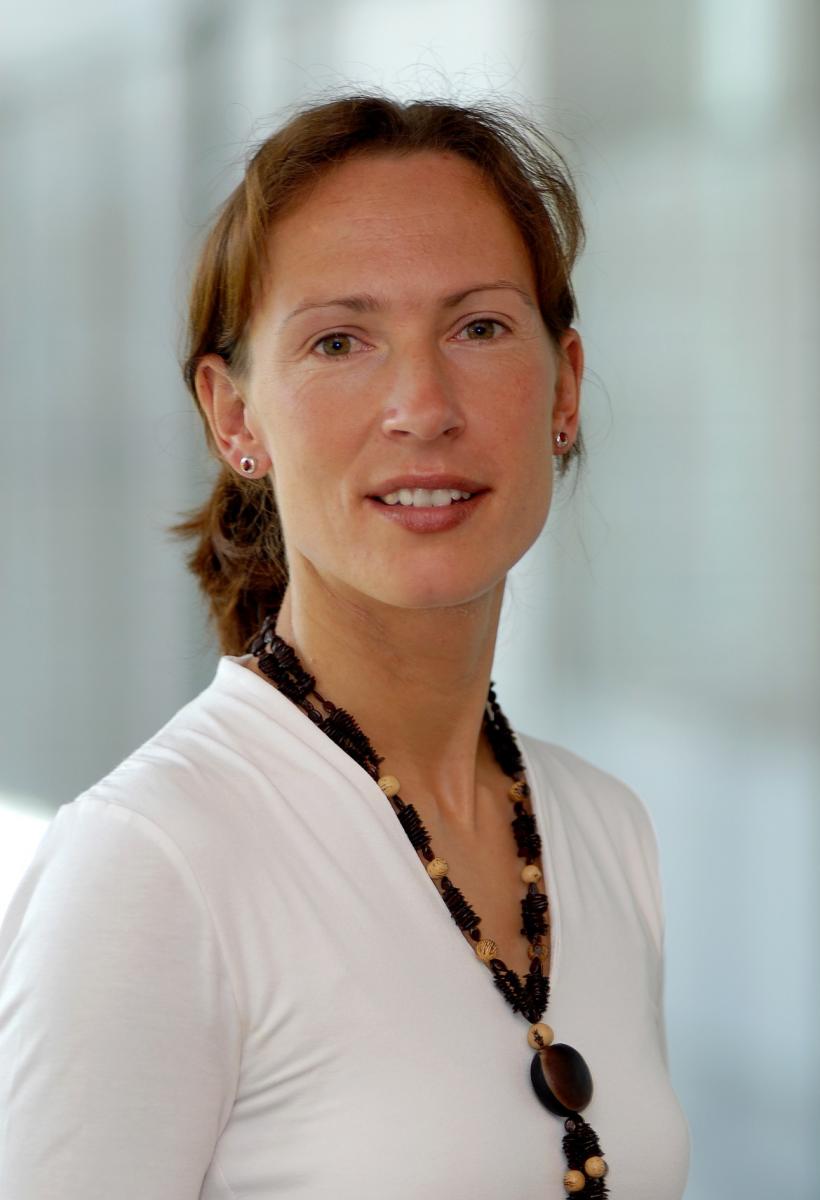
Christina Ulardic heads the Market Development Africa for Swiss Re Corporate Solutions. She leads origination efforts with main focus on weather, agriculture and energy risk transfer; clients being investors, financial service companies, corporate and public sector entities. Swiss Re Corporate Solutions is a leading risk taker in the global weather markets.
Christina received her Master of Science, Geology from the University of Freiburg, Germany and Basel, Switzerland. Before joining Swiss Re she worked for the Geological Survey in Chile, the climate change program of the United Nations Institute of Training and Research in Geneva and the German Federal Ministry for the Environment in Berlin. In 2004 she obtained a Master of Public Administration at the John F. Kennedy School of Government, Harvard University, USA.
Tjeerd de Vries, Senior Expert Food-Security & Agribusiness, Dutch Ministry of Foreign Affairs, Kingdom of the Netherlands
 Tjeerd de Vries is senior expert food-security & agribusiness at the Dutch Ministry of Foreign Affairs. His main focus is achieving long term security of supply of raw materials for nutritious food in less developed countries through development of good market conditions and sustainable value chains. Within the Dutch Government food-security is considered to be a priority issue where ministries, business and ngo’s work together in a concerted effort with embassies worldwide.
Formerly responsible for sustainable value chain development at the ministries of Agriculture and later Economic Affairs, mr. De Vries developed a concept of international public private partnerships for commodities like coffee, soy, palm oil and aquaculture. Concurrently he was strategic advisor to the minister on international research and development issues. Before that mr. De Vries worked in diverse tropical countries as a specialist in agribusiness-development and watermanagement.
Trained as an engineer in water management and infrastructural development, he started his career building dikes and developing a new city in one of the Dutch polders.
George Wamukoya, Climate Advisor to the Common Market for Eastern and Southern Africa (COMESA)
 Dr George Wamukoya is an environmental lawyer by profession and currently serves as the Climate Advisor to the Common Market for Eastern and Southern Africa (COMESA), a regional economic community (REC) with 19 Member States. George He supports the African Group of Negotiators in the on-going UNFCCC climate change negotiations – chairing negotiations on agriculture. George has over 25 years’ experience in policy and legal work at the regional and national levels. Between 2000 and 2002, George served as the Joint Secretary to the National Committee on the Implementation of the Environmental Management and Coordination Act (EMCA) which established Kenya’s National Environment and Management Authority (NEMA). In addition to drafting of policies and laws, George has been involved in training of Judges and Magistrates on the implementation of environmental laws at the regional, sub-regional and national levels and served as a member of Board of Trustees of the Kenya Wildlife Service. George has received several international and national awards, including the prestigious Presidential Award of the Order of the Golden Warrior (OGW) for his outstanding work in environmental conservation.
Hardi Wilkins, Global Head of Risk, Export Trading Group
Hardi Wilkins has been involved in agri-trading, finance and risk management in Southern Africa most of his career and currently oversees the global risk management function for Export Trading Group, playing his trade across the African continent and South East Asia. As a risk practitioner his key focus is quantification and mitigation of the risks inherent to the full agricultural value chain and requires all variants of risk transfer and externalization.
Hardi has a degree in commercial law and received an honours in management accounting from Stellenbosch University, and studied financial mathematics at the University of Witwatersrand. Before joining ETG fours year ago he headed up agri trading at Standard Bank supporting the foray into broader African agricultural market participation which included a host outgrower schemes, risk participation, market making and trading.
Arne Witt, Regional Coordinator for Invasive Alien Species (IAS), Centre of Agricultural Biosciences International (CABI)
Arne Witt is the Regional Coordinator for Invasive Alien Species (IAS) for the Centre of Agricultural Biosciences International (CABI) based in Nairobi, Kenya and is actively involved in IAS projects in Africa, Asia and the Caribbean. This includes, amongst others, policy development, awareness creation, capacity building and the development and implementation of best management practices for a host of IAS. Prior to joining CABI in 2007, he worked for CSIRO (Australia), Queensland Department of Natural Resources and Mines (now Biosecurity Queensland) and the Agricultural Research Council (South Africa). He has two Masters degrees in Entomology (University of Stellenbosch) and Conservation Biology (University of Cape Town), and a PhD in Entomology (University of Witwatersrand).