

Biography | Dr. Wei Xiong
Dr. Wei Xiong, Professor in climate change impacts and agronomy, Chinese Academy of Agricultural Sciences
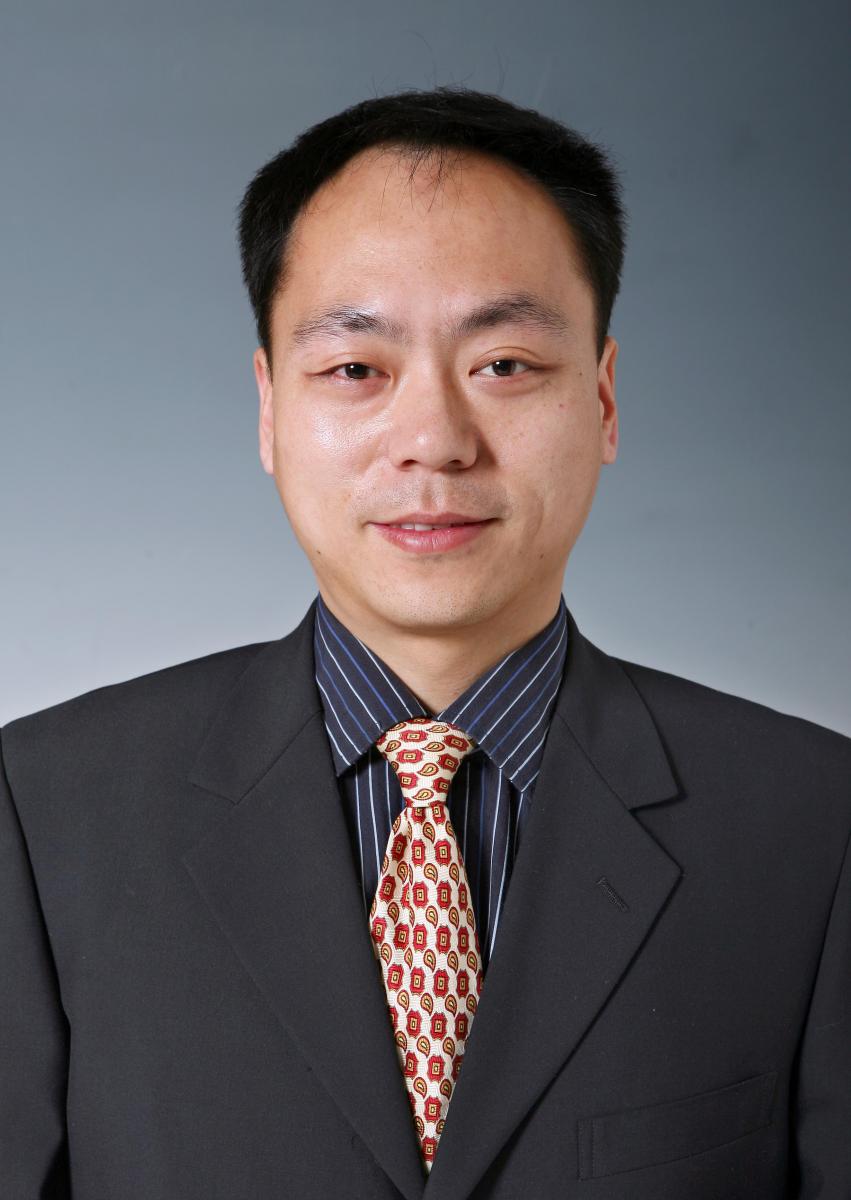
Dr. Wei Xiong is a professor in the Climate Change Division, The Institute of Environment and Sustainable Development in Agriculture (IEDA) at the Chinese Academy of Agricultural Sciences (CAAS). His research focuses on the interactions between climate, risk management, and crop production with a primary focus on China and other developing countries. He specifically works on up-scaling the application of crop models; on the impact and adaptation of climate change on agriculture; and on uncertainties assessments of crop models. Dr. Xiong has a broad-base of expertise encompassing detailed knowledge of climate scenarios generation, climate variability, and agronomic adaptation techniques.
Dr. Xiong received his PhD in Agronomy from the China Agricultural University in 2004, and B.Sc in Applied Meteorology from the Chinese Academy of Agricultural Sciences in 2001. Dr. Xiong completed his post-doctoral research at the International Food Policy Research Institute (IFPRI) in Washington D.C. His research areas currently focus on crop modeling and the impacts of climate change on agriculture, water, and food security in China. Prior to his current active research, he was engaged in modeling rice production in China using the CERES-rice and ORYZA crop models to assess the impacts of both climate change and rice pests (Chilo supperssalis). From July 2001, he began to work within a diverse team of researchers simulating the interactions of climate change, water availability, land use change, and socio-economic development on China’s food production. He is closely involved in several projects funded by the Work Bank, the Asian Development Bank, Ecosystem Services for Poverty Alleviation (ESPA), the UK's Department for International Development (DFID), the Chinese Ministry of Science and Technology MOST), and the Chinese National Natural Science Foundation (NSFC), among others.